
Container vs Platform Loading: The Difference
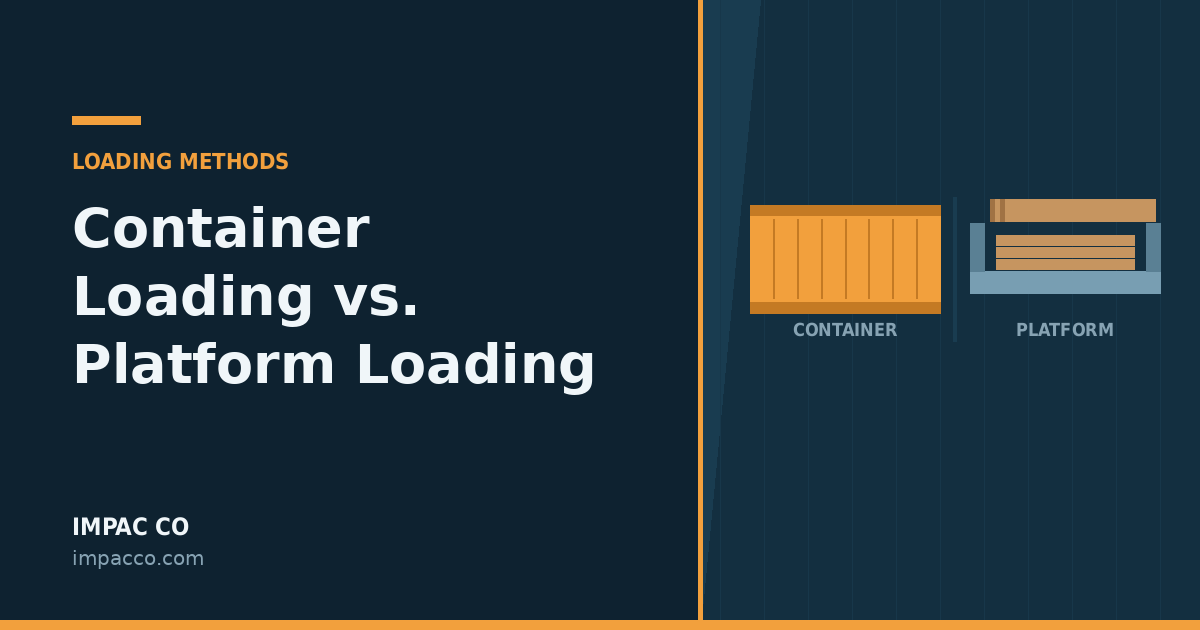
In freight and construction logistics, “container loading” and “platform loading” come up a lot – and they’re not the same thing. Understanding the difference helps you ask for the right service. Container loading is packing materials into a shipping container for transit, focused on maximizing space and protecting the load. Platform loading is the safe loading and off-loading of materials on-site using loading platforms. One prepares freight for the journey; the other handles materials at the location.What is container loading?
Container loading is the work of packing a shipping container so the materials travel safely and economically. It’s about layout, weight distribution, securing the load, and using every cubic foot – all of which affect cost and whether the freight arrives intact. This is central to ocean shipping to Alaska and Hawaii.What is platform loading?
Platform loading is the safe, efficient loading and off-loading of materials on-site using loading platforms. It’s about moving materials on and off transport at a location without damage or injury. Impacco is bonded, insured, and licensed to handle platform-loading projects of any size.Which do you need?
Most projects use both at different stages: container loading to prepare the shipment for ocean transit, and platform loading to handle materials safely when they’re moved on-site. A freight partner that offers both keeps the whole chain – from packing to delivery – under one roof.Frequently Asked Questions
Do you offer both services?
Yes. Impacco provides container loading, platform loading and off-loading, and LTL/LCL consolidation.
Is platform loading insured?
Yes – Impacco is bonded, insured, and licensed for platform-loading projects of any size.
Which matters more for cost?
Container loading most directly affects shipping cost; platform loading most affects safe, efficient on-site handling.
Related Guides

Related posts
LTL vs LCL Freight Explained
When your shipment is too small for a full truck or container, two terms come up
How Long Does It Take to Ship Building Materials to Alaska?
Timing is one of the most important factors in any Alaska build, because materia
How to Load a Container to Maximize Space
Ocean freight is priced by space and weight, so how a container is packed has a